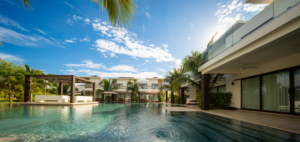
The Caribbean holds so many beautiful shores that choosing among them becomes the most enjoyable part of planning. Among the best Caribbean beaches you will find pink sand, gentle bays and reefs teeming with fish. Our collection of vacation rentals puts you right in front of those waters, with hotel services included. Every morning starts with the sea sitting just a few steps from your private terrace.
This guide compares coastlines by traveler type, water clarity and privacy for the best beach vacations in the Caribbean. Additionally, you will see quick tables, seasonal notes, sargassum data and a practical packing list. Our villas in the Dominican Republic add genuinely private experiences to that broader Caribbean map. By the end, you will know which shore fits your trip and your travel companions.
What are the best Caribbean beaches?
The best Caribbean beaches combine fine sand, transparent water and a gentle entry into the sea. Grace Bay, in Turks and Caicos, tops almost every list thanks to its calm and generous width. Eagle Beach, Shoal Bay East, Seven Mile Beach, Pink Sands and Bávaro complete the group. Notably, each of the top beaches in the Caribbean shines at something different: privacy, families, snorkeling, romance or beachfront service.
How do we define the best beach in the Caribbean?
A memorable beach earns its place through concrete criteria, never through carefully retouched promotional photographs. We review the texture of the sand, its transparency and the real conditions for swimming. Landscape matters as well, since cliffs and tall palm groves change the whole scene instantly. Snorkeling, privacy, on-site services and ease of access all add weight to our final assessment. Likewise, we measure crowd levels during high season, because quiet moments always deserve real consideration. With these ten factors in hand, we shape every recommendation you read here:
- Fine, pale sand without stones.
- Transparent water with good visibility.
- Gentle waves and a gradual slope.
- Scenery with vegetation and relief.
- Snorkeling within a few meters of the shore.
- Privacy and square meters of sand per visitor.
- Restrooms, shade, restaurants and rentals.
- Access by road, boat or walking trail.
- Activities such as kayaking, sailing or paddleboarding.
- Crowd levels during the most searched months.
That order of priorities ultimately defines your final choice.
The best Caribbean beaches at a glance
The table below summarizes nine coastlines that consistently rank among the best Caribbean beaches. We reach for it whenever a guest asks for a solid recommendation in two minutes. Moreover, each row connects the beach with its destination and the traveler profile that suits it.
Among the top Caribbean beaches you will find options for relaxing, snorkeling or toasting at sunset. Therefore, you compare quickly without opening ten browser tabs or reading contradictory reviews online. We then explore each traveler profile in depth, naming specific beaches and destinations:
| Beach | Destination | Ideal for |
| Grace Bay | Turks and Caicos | Exclusive stays |
| Eagle Beach | Aruba | Relaxation |
| Shoal Bay East | Anguilla | Snorkeling |
| Seven Mile Beach | Grand Cayman | Families |
| Pink Sands | Bahamas | Romance |
| Anse Chastanet | Saint Lucia | Nature and diving |
| Bávaro | Dominican Republic | Villas and families |
| Playa Flamenco | Puerto Rico | Swimming |
| Grand Anse | Grenada | Calm and cuisine |
The best Caribbean beaches by traveler type
No single coastline works for everyone, and the most beautiful beaches in the Caribbean prove that richness. For example, a couple’s trip calls for silence and privacy; a family outing needs calm water and shade. Diving enthusiasts chase reefs, while food lovers hunt down local cooking beside the open sea. We therefore rank the best Caribbean beaches by traveler profile instead of by sheer fame. Each block names the beach, the destination and the reason to book a stay there. Let us start with travelers who chase calm, quiet and a genuine sense of exclusivity.
Beaches for luxury travelers, couples and wellness
Pink Sands Beach, on Harbour Island, turns its sand a soft rose shade at sunrise. Mustique and Saint Barthélemy keep a discreet profile, with private villas and remarkably quiet coves. Likewise, Grace Bay brings width, a seaside spa and dinners right on the open sand. Our villas with a pool and private chef recreate that calm on the Dominican coast. Exclusivity grows out of service and privacy, never from the ocean view alone.
Beaches for families: calm water and simple logistics
A vacation in the Caribbean with young children works best where the sea enters slowly. Seven Mile Beach, in Grand Cayman, offers a sandy bottom and completely uninterrupted beachfront services. Baby Beach, in Aruba, forms a shallow lagoon that suits the smallest swimmers perfectly. Meanwhile, Bávaro counts on a protective reef, palm shade and restaurants within easy reach. Magens Bay, in Saint Thomas, closes off its bay and calms the incoming waves. These traits define a comfortable family plan at the best beach destinations in the Caribbean:
- Gradual depth across the first few meters.
- Minimal waves thanks to reefs or enclosed bays.
- Natural shade or umbrellas available on site.
- Restrooms, showers and changing rooms nearby.
- Restaurants with a children’s menu.
- Entry points without rocks or steps.
- Activities that fit several ages.
With those points settled, the day truly delivers.
Beaches for adventure and water sports
Cabarete, on the northern Dominican coast, draws windsurf and kitesurf fans with its remarkably steady wind. The Grenadines invite you to sail among small islets that stay almost entirely deserted. Dominica offers trails toward waterfalls and hot springs that sit close to the sea. In addition, Grenada lets you paddle through mangrove channels during the cooler morning hours. Book each activity well in advance, above all during the busiest high season weeks.
Beaches for cuisine, culture and eco-conscious travel
Grand Anse, in Grenada, pairs golden sand with spice stalls and hearty island cooking. Dominica bets firmly on ecotourism, with rivers, dark volcanic shores and protected nature reserves. Along the Dominican coast, beach kiosks serve freshly caught grilled fish every single afternoon. Ultimately, that cultural nuance of the highest-rated beaches in the Caribbean turns a beach day into a flavorful memory.
Secluded beaches for travelers who value privacy
If privacy drives your plans, note Culebrita in Puerto Rico, a short boat ride away with an almost empty bay. Mayreau, in Saint Vincent and the Grenadines, keeps a genuinely slow daily rhythm. Barbuda stretches its pink sand for miles without a single building in sight. For its part, Little Cayman brings mangroves, iguanas and a completely untouched seabed. In Samaná, Playa Frontón suits a boat ride or a long coastal walk.
Crystal-clear waters, reefs and beaches by destination
Transparent water defines the classic Caribbean postcard and shapes the quality of every swim. Its color depends on the sand, the depth and the absence of suspended sediment. These coastlines explain why the best Caribbean islands to visit stay in your memory. You will recognize famous names from Turks and Caicos, Anguilla, Aruba and Puerto Rico. Furthermore, Jamaica, Barbados, the Cayman Islands, Grenada, Colombia and Dominican Republic appear here too. We begin with the five shores that hold the cleanest water:
Five coastlines with transparent water and white sand
These five beaches come up in every conversation about strikingly clear Caribbean water. All of them share a sandy bottom, gentle waves and shifting turquoise tones. We walk them with guests who prioritize swimming, floating and photographing the scenery. None demands previous experience or any special equipment. Even so, each one carries its own character, worth knowing before you book. Here are the details:
- Grace Bay, Turks and Caicos: endless sand and water without waves.
- Eagle Beach, Aruba: width, fofoti trees and long, lingering sunsets.
- Shoal Bay East, Anguilla: luminous sand and a nearby reef.
- Seven Mile Beach, Grand Cayman: soft bottom and continuous services.
- Playa Flamenco, Puerto Rico: horseshoe bay ideal for swimming.
Any of them works as the base for a more ambitious itinerary.
Reefs for snorkeling and diving
For this plan, Bonaire leads our list since it protects its reef straight from the shore, so you swim out without a boat. Curaçao, in turn, hides small coves between cliffs, with wide visibility nearly all year round. Anse Chastanet, in Saint Lucia, pairs volcanic sand with corals facing the towering Pitons. Catalina Island and Cayo Arena, in Dominican Republic, offer wonderfully shallow coral gardens. Reef health shifts with water temperature and the currents that cross the region.
The beaches of Dominican Republic, from Punta Cana to Samaná
This country concentrates several of the best Caribbean beaches within a few hours of driving. The east thrives on white sand and reefs; the north, on mountains beside the sea. Nearby islands add corals and sandbars that rise in the middle of the ocean. Our inventory covers several of those destinations, with verified villas and personal attention. As a result, you change scenery without enduring endless transfers. These are the shores our guests request most often:
- Bávaro: protective reef, full services and calm water.
- Macao: waves with character and an authentic local atmosphere.
- Juanillo: calm waters, palm trees and a reserved profile.
- Playa Bonita: wide sand in Las Terrenas.
- Playa Rincón: almost untouched kilometers in Samaná.
- Cayo Levantado and Isla Saona: protected bays and turquoise water.
- Puerto Plata: cliffs, waterfalls and humpback whales.
Each shore supports a different plan, from a private catamaran to a sunrise walk.
When to travel: packing for your escape
The season matters as much as the destination when you visit the best Caribbean beaches. Sunshine reaches the region almost all year, though rain and wind vary island by island. Check the calendar, the state of the sea and the forecast before locking in dates. Knowing what to pack also helps you enjoy every hour spent facing the water. Meanwhile, our team adjusts reservations around that data and each guest’s particular plan. This section answers the three most frequent questions with verifiable public sources.
The best time of year to travel
Between December and April, most islands enjoy their driest and mildest stretch of weather. May and June bring brief showers, softer rates and sand with noticeably fewer people. Summer, meanwhile, offers warm water ideal for snorkeling, alongside high heat and humidity. The hurricane season runs from June 1 to November 30. Its historical peak falls between August and October, so book with flexible cancellation terms.
Sargassum in the region: what to expect and how to check it
Sargassum is a floating algae that travels in vast belts across the tropical Atlantic (National Ocean Service, 2024). Its presence grows through spring and reaches its highest point in summer (Optical Oceanography Laboratory, 2025). Aruba, Curaçao, Bonaire and the northern Dominican coast generally record less accumulation. In practice, conditions shift with the season, the currents and each bay’s exact position.
Before you step on the sand: what to check and what to pack
A perfect afternoon depends on small details that you settle in five quick minutes. Confirm whether access stays public, whether restrooms exist and where you can park. Knowing whether vendors sell food nearby also helps, along with bringing ice and water. Ask about currents, safety flags and the hours when lifeguards actually stay on duty. Check shade and ramps carefully if you travel with strollers. Once you settle that, your packing list becomes remarkably simple:
- Sunscreen without oxybenzone or octinoxate, friendly to coral.
- Quick-drying swimsuits and a shirt with UV protection.
- Your own mask and snorkel for any reef stop.
- Waterproof bags for phone, keys and documents.
- Insect repellent, a hat and polarized sunglasses.
With that kit in your bag, every shore on this list delivers its best.
Frequently asked questions from travelers
These questions surface in almost every conversation we hold with our guests. We answer them briefly so you decide without rereading the entire guide. Each answer builds on the criteria and the sources already cited above. Naturally, you will see concrete suggestions by beach, by island and by trip type. If your case needs more detail, our team reviews it directly with you.
- Which beach ranks number one in the Caribbean? Grace Bay, in Turks and Caicos, leads almost every list for its water and width.
- Which island holds the most beautiful beaches? Turks and Caicos for color; Dominican Republic for variety and villas.
- Where does the clearest water sit? Bonaire, Anguilla and Turks and Caicos offer exceptional visibility much of the year.
- Do Caribbean beaches stay public and safe for swimming? Almost always yes; check flags and local notices before entering.
Your next Caribbean adventure starts at Homebelike
At Homebelike, we help you secure stays that face the best Caribbean beaches. Every villa, apartment or townhouse passes verification and arrives with full hotel services. An experience specialist hands over the keys and accompanies your trip from booking onward. That same person coordinates the catamaran, the private chef or the route toward Samaná. Finally, tell us which shore calls you and we build an itinerary with Caribbean essence.
References
- Coral Reef Watch. (2024). Coral reef monitoring. National Oceanic and Atmospheric Administration.
- National Hurricane Center. (2024). Tropical cyclone climatology. National Oceanic and Atmospheric Administration.
- National Ocean Service. (2022). Sunscreen chemicals and coral reefs. National Oceanic and Atmospheric Administration.
- National Ocean Service. (2024). What is sargassum? National Oceanic and Atmospheric Administration.
- Optical Oceanography Laboratory. (2025). Sargassum Watch System (SaWS). University of South Florida.