Planning a Samaná Whale Watching Tour with one key question: when is the best time to see whales in the Dominican Republic? Fortunately, Samaná offers one of the most reliable and celebrated whale watching experiences in the world. Every winter, this destination becomes the heart of humpback whale activity in the Caribbean.
For travelers seeking a meaningful nature experience, Samaná combines predictable sightings, regulated tours and comfortable accommodations. As a result, it stands out as the top choice for whale watching in the Dominican Republic. Understanding the season, tour options and where to stay will help you plan your trip with confidence.
Best Time for a Samaná Whale Watching Tour
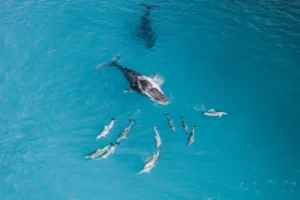
The best time for whale watching tours in Samaná runs from mid-January through March. During these months, humpback whales migrate from the North Atlantic to the warm Caribbean waters to mate, give birth and care for their calves.
February is widely considered the peak month. Whale activity is at its highest, and sightings are extremely frequent. However, late January and early March also offer excellent conditions, often with fewer visitors. In addition, Samaná’s climate during this season is ideal, with warm temperatures and generally calm seas.
Weather conditions are an important factor. While winter seas can occasionally be choppy, most tours operate during favorable windows. Tour operators closely monitor conditions to ensure both safety and visibility. Therefore, planning your visit within this seasonal window significantly increases your chances of successful sightings.
What to Expect from Whale Watching Tours in Samaná
Whale watching tours in Samaná typically last between two and three hours. Most excursions depart from Samaná town, Las Terrenas or nearby ports along the peninsula. Tours are conducted on medium-sized boats designed to navigate the bay safely and comfortably.
During the excursion, certified guides provide insight into whale behavior, migration patterns and conservation efforts. Visitors often witness spectacular displays such as breaching, tail slapping and vocalizations. In many cases, mothers and calves are seen swimming together, offering unforgettable moments.
Importantly, whale watching in the Dominican Republic is regulated. Boats must maintain safe distances and limit interaction time. These rules protect the whales while ensuring ethical and sustainable tourism. Consequently, choosing authorized operators is essential for a responsible experience.
To explore certified whale watching tours and other guided experiences, travelers can browse options through Homebelike Experiences. Booking in advance is strongly recommended, especially during February, when demand is highest.
Tips for Choosing Responsible Whale Watching Tours
Selecting the right operator can make a significant difference in your experience. First, ensure the tour is officially licensed and follows national conservation guidelines. Responsible operators prioritize animal welfare over proximity.
Additionally, look for tours with knowledgeable guides who can explain what you are seeing. Smaller group sizes often provide a more personalized experience. It is also helpful to ask about safety equipment, onboard facilities and cancellation policies related to weather.
Finally, consider the departure location. Staying close to your chosen port reduces travel time and allows for early-morning tours, when conditions are often calmer. Planning these details in advance helps create a smooth and enjoyable experience.
Where to Stay in Samaná for Whale Watching Tour
Where you stay plays an important role in optimizing your whale watching trip. Samaná offers a variety of accommodations, but vacation rentals are especially appealing for travelers seeking space, privacy and flexibility.
Staying in a well-located vacation rental allows easy access to departure points while offering a peaceful retreat after time at sea. Options range from ocean-view apartments to private villas surrounded by nature. These accommodations are ideal for couples, families and small groups.
Explore curated vacation rentals through Homebelike’s listings in Samaná to find properties that match your travel style and schedule.
Getting to Know the Destination: Where Is Samaná?
Before finalizing your plans, it helps to understand where Samaná is located. The Samaná Peninsula sits on the northeastern coast of the Dominican Republic, known for its lush landscapes, pristine beaches and rich marine biodiversity.
Unlike larger resort hubs, Samaná offers a quieter and more authentic atmosphere. This makes it particularly appealing to travelers focused on nature, adventure and cultural immersion. To learn more about the region, explore Homebelike’s blog article “Where is Samaná”, which provides helpful geographic and travel context.
Whale watching tours in Samaná offer more than a seasonal activity. They provide a rare opportunity to connect with nature in a meaningful and responsible way. By choosing the right time, selecting certified tours and staying in well-located accommodations, you can plan a seamless and memorable experience.
Ready to start planning? Homebelike helps you combine tours, stays and local insights into one well-curated journey, designed around the best of Samaná.
References
- Ministry of Tourism of the Dominican Republic (MITUR)
Official information about whale watching season, regulations, and tourism guidelines in Samaná. - Samaná Bay Marine Mammal Sanctuary (Santuario de Mamíferos Marinos Bancos de la Plata y de la Navidad)
Authority responsible for the protection and regulation of humpback whale watching activities in the Dominican Republic. - NOAA Fisheries – Humpback Whales
Scientific data on humpback whale migration patterns, behavior, and seasonal movements. - National Geographic – Humpback Whales
Recognizes Samaná and the Dominican Republic as one of the world’s top destinations for humpback whale watching. - World Wildlife Fund (WWF)
Best practices for responsible marine wildlife tourism and sustainable whale watching.